
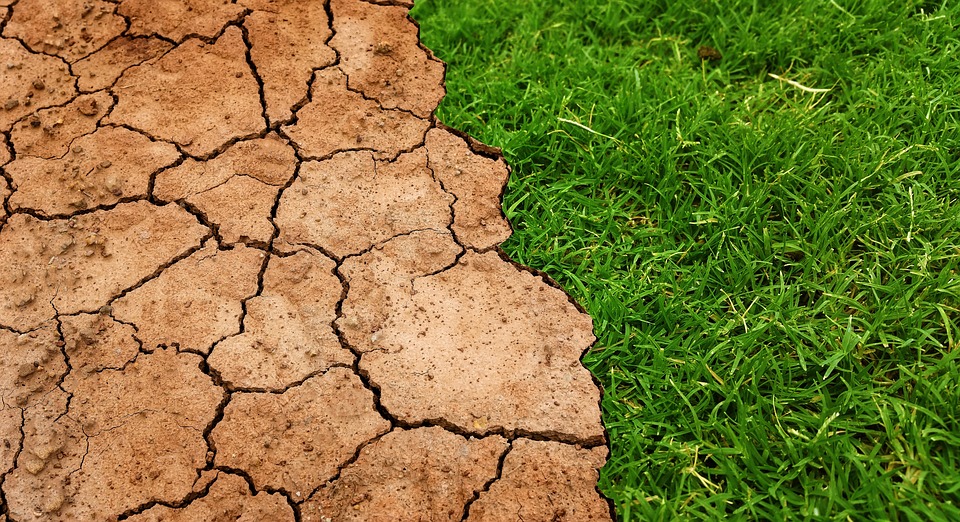
Are we blaming the meat for what the wheat did?
Building Soil
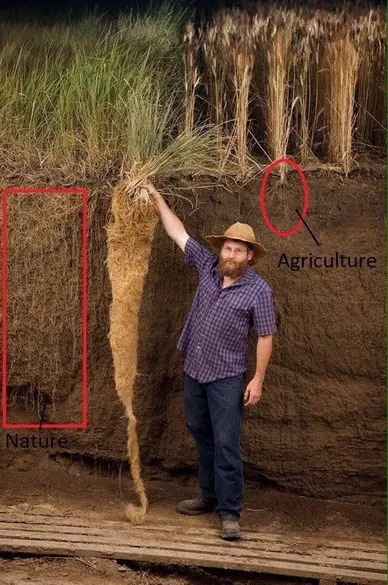
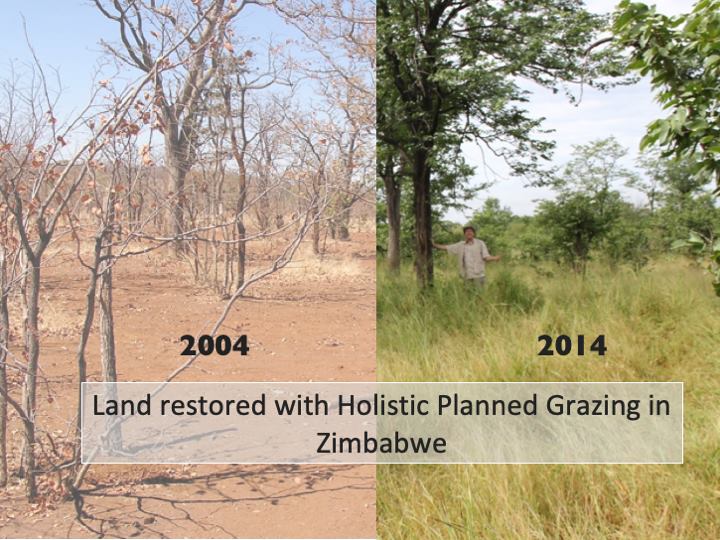
Perennial grasses can live 500 years and they pump carbon into the soil to feed soil microbes. They co-evolved with large herds of grazing animals which help cycle their biomass (with the help of dung beetles) and with proper planning, cows can do that same work.
Most of the proposed responses to climate change don’t fundamentally address one of the largest sources and solutions to the situation: restoring soil through regenerative agriculture and grazing. Current agriculture is rapidly causing soil to lose carbon – and this is fixable.
The Plow that Broke the Plains
The film presents the social and economic history of the Great Plains – from the time of the settlement of the prairies, through the World War I boom, to the years of depression and drought. The first part of the film shows cattle as they grazed on grasslands, and homesteaders who hurried onto the plains and grew large wheat crops. The second part depicts the postwar decline of the wheat market, which resulted in overproduction. Footage shows farm equipment used, then abandoned. The third part shows a dust storm as it rendered a farm useless. Subsequent scenes show farmers as they left their homes and headed west. Department of Agriculture. Farm Security Administration. Information Division. (ca. 1937 – ca. 1942).
Surviving the Dust Bowl
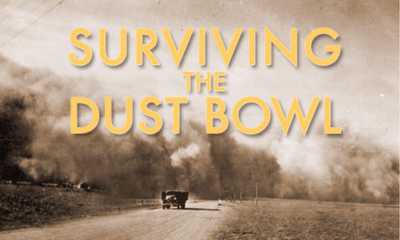
In 1931 the rains stopped and the “black blizzards” began. Powerful dust storms carrying millions of tons of stinging, blinding black dirt swept across the Southern Plains – the panhandles of Texas and Oklahoma, western Kansas, and the eastern portions of Colorado and New Mexico. Topsoil that had taken a thousand years per inch to build suddenly blew away in only minutes. One journalist traveling through the devastated region dubbed it the “Dust Bowl”.
Surviving the Dust Bowl is the remarkable story of the determined people who clung to their homes and way of life, enduring drought, dust, disease – even death – for nearly a decade. Less well-known than those who sought refuge in California, typified by the Joad family in John Steinbeck’s The Grapes of Wrath, the Dust Bowlers who stayed overcame an almost unbelievable series of calamities and disasters.
Soil4Climate
Facebook group.
Heading
Content
Heading
Content